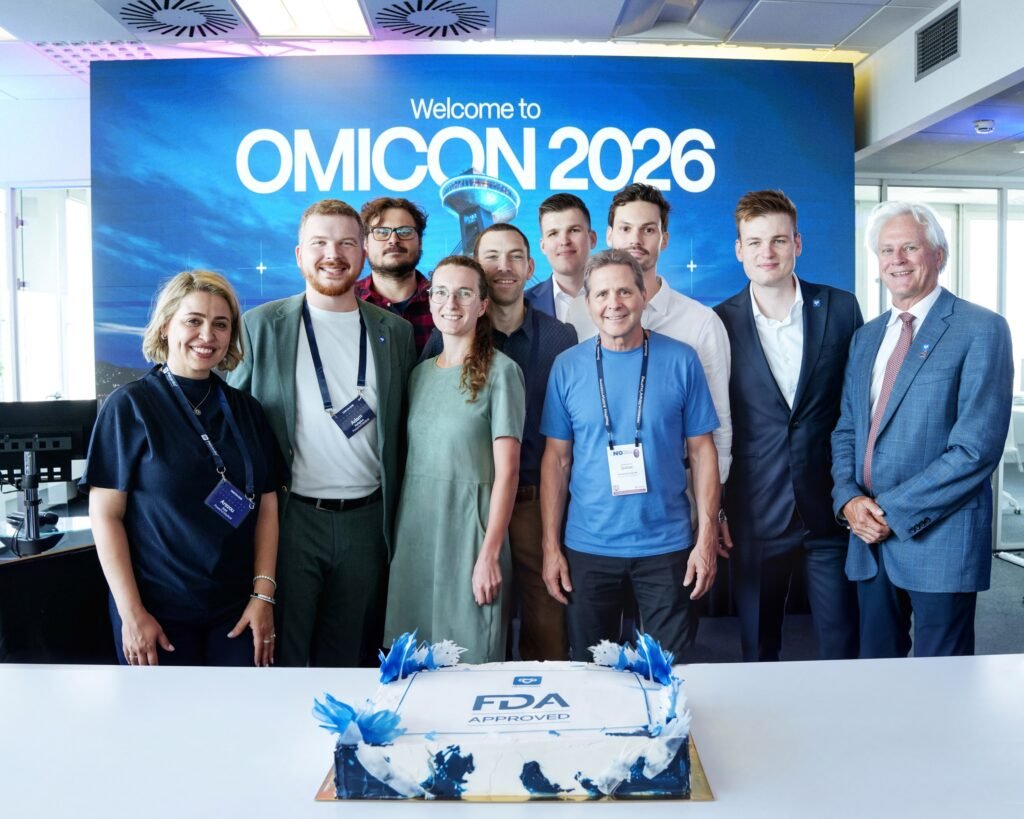
World’s first FDA authorization for an AI ECG solution designed to detect acute heart attacks requiring urgent cardiologist review, enabling scalable deployment across U.S. health systems.
https://www.powerfulmedical.com/pmcardio-stemi
See announcement below. U.S. health systems interested in deploying the FDA-authorized Queen of Hearts model can contact the Powerful Medical team to discuss integration and enterprise rollout.
Can the Queen of Hearts save lives? You decide.
See this case:
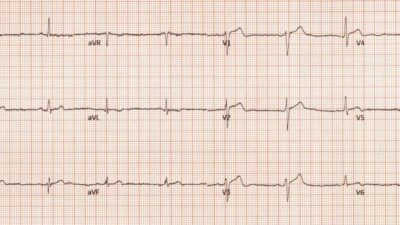
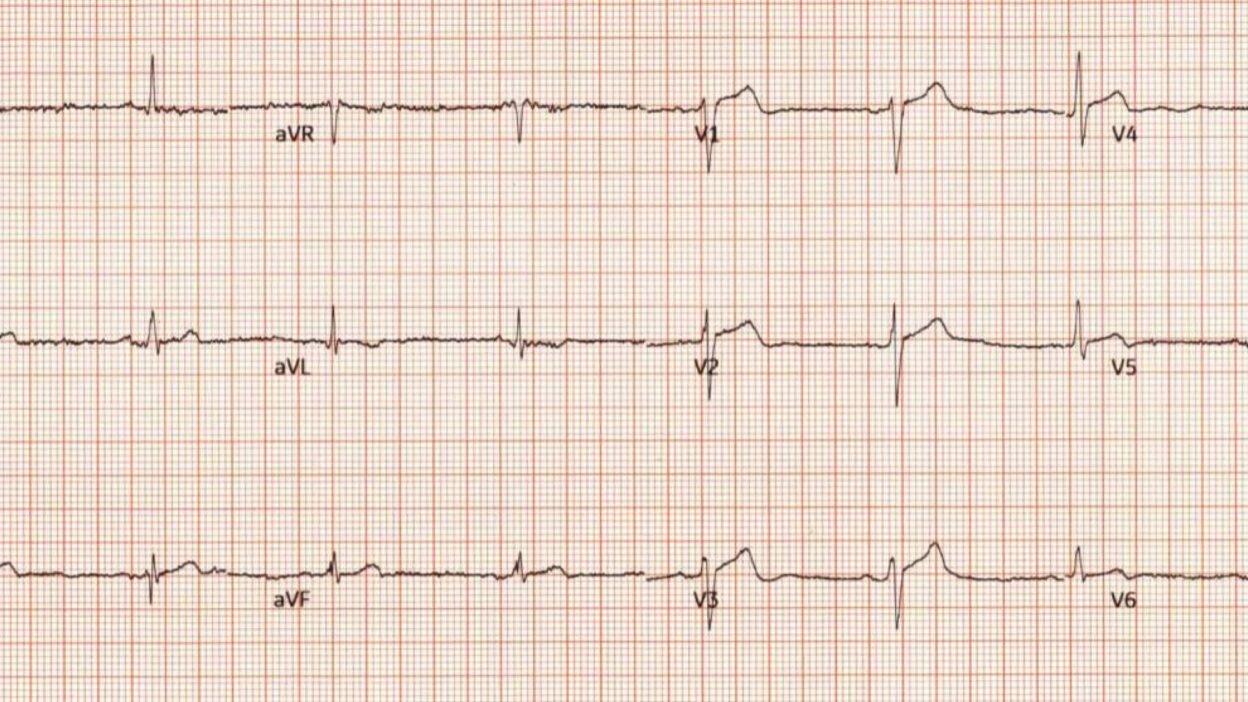
This ECG was sent to me, with no information, by a former resident.
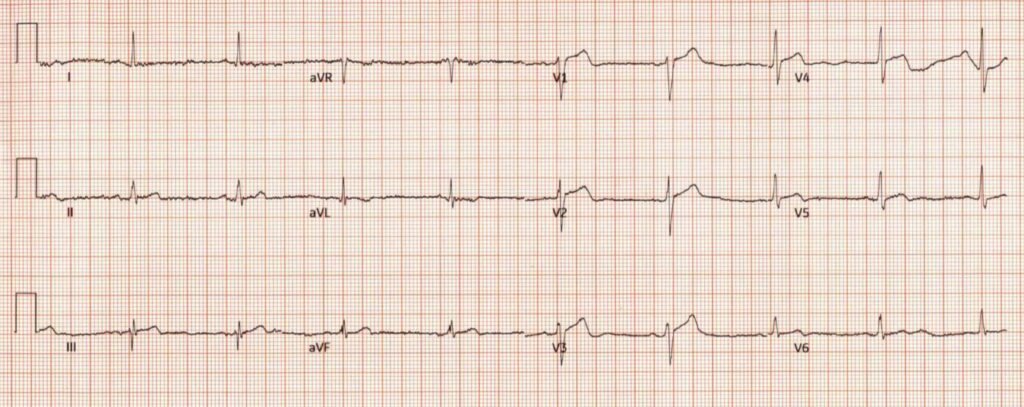
What do you think?
I responded: “Diagnostic of inferior OMI.”
He called me and seemed quite shocked when he asked: “What makes you say that?”
I said: “Look at leads III and aVF, with reciprocal ST Depression in aVL. There are also hyperacute T-waves in V1-V3, so this is probably a proximal RCA occlusion with RV infarct (Proximal to the RV marginal branch).”
His answer: “Yes, it was a proximal RCA occlusion.” Then he told me the story.
Case presentation:
A 45 year old man presented with chest pain. The above ECG was recorded. It was interpreted as normal by the computer and by the physicians.
_________
Case Continued
The patient had 2 high sensitivity troponin I which were both at 24 ng/L (below the URL).
No further ECGs were recorded.
The patient was discharged.
Some time later he presented by ambulance in cardiac arrest, in ventricular fibrillation.
ROSC was achieved after a long resuscitation.
Angiography confirmed an acute RCA occlusion.
There was a case conference afterwards. All the physicians. both cardiologists and emergency physicians, thought the ECG was “non-diagnostic”. When my friend told them what I thought, they were dismissive.
I hear this all the time from people in denial:
“If I can’t see it, it doesn’t exist.”
Which is why it is nice to have a neutral, unbiased arbiter: the PMCardio Queen of Hearts AI ECG Model:
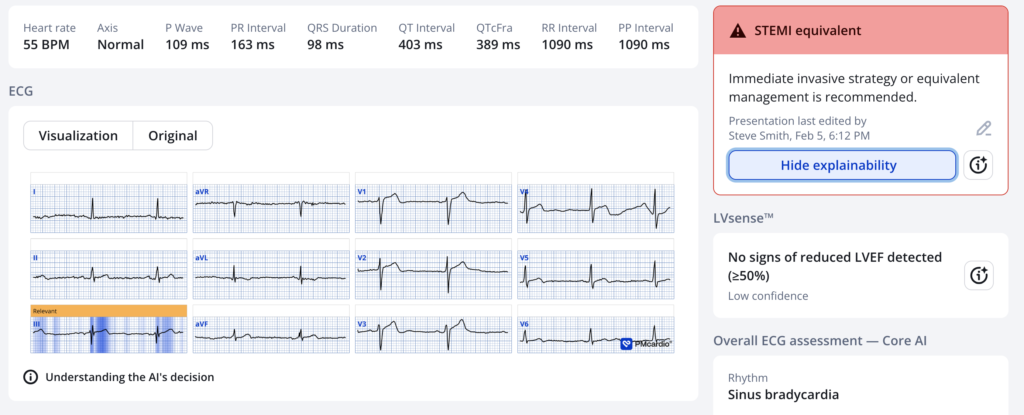
This ECG is DIAGNOSTIC of inferior injury. Troponins can only be trusted when the ECG is completely non-ischemic.
The Queen’s numerical output was 0.73. Values between 0.67 and 0.83 have 98% specificity. So she is VERY certain that this represents OMI (otherwise known as “STEMI Equivalent”).
= = =
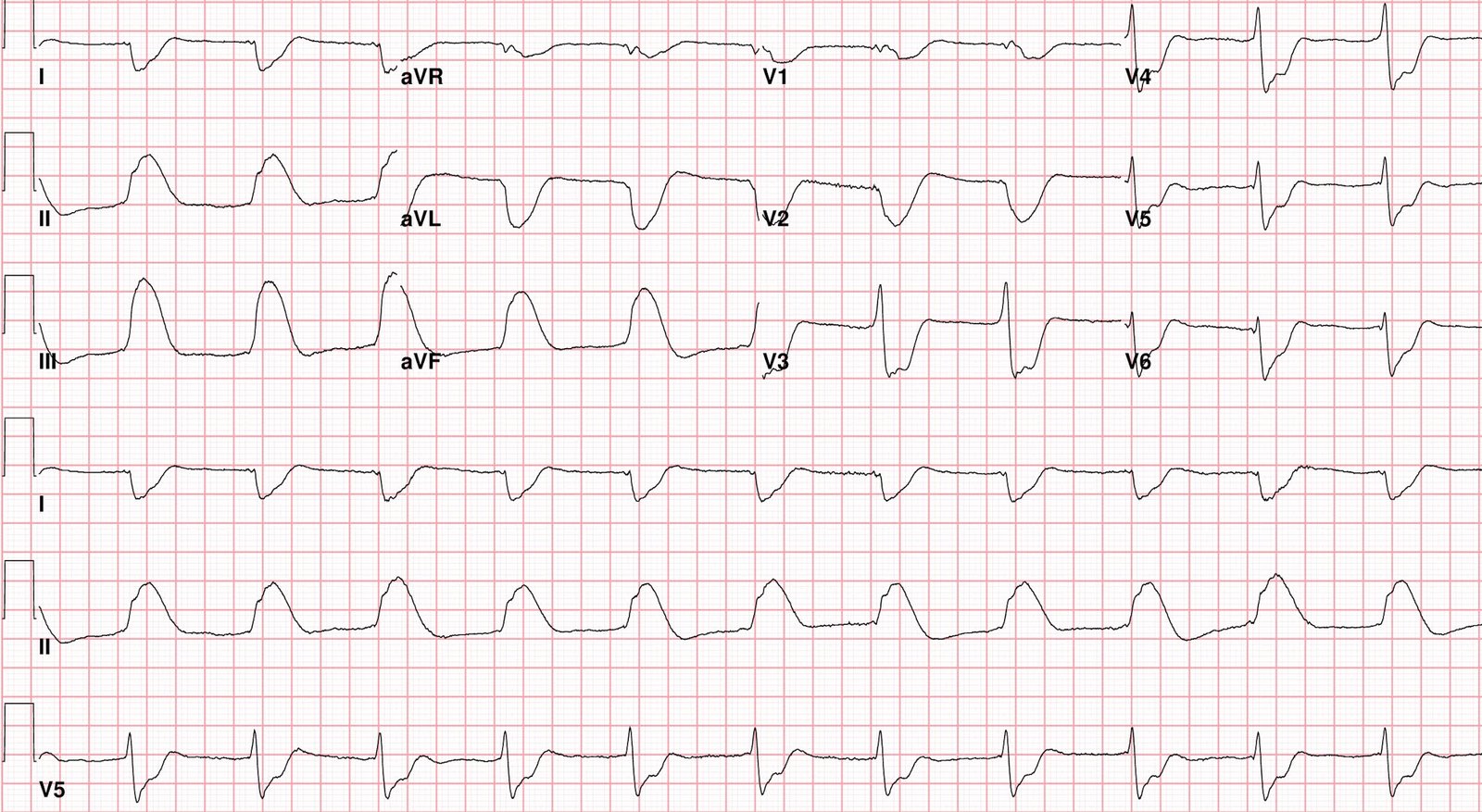
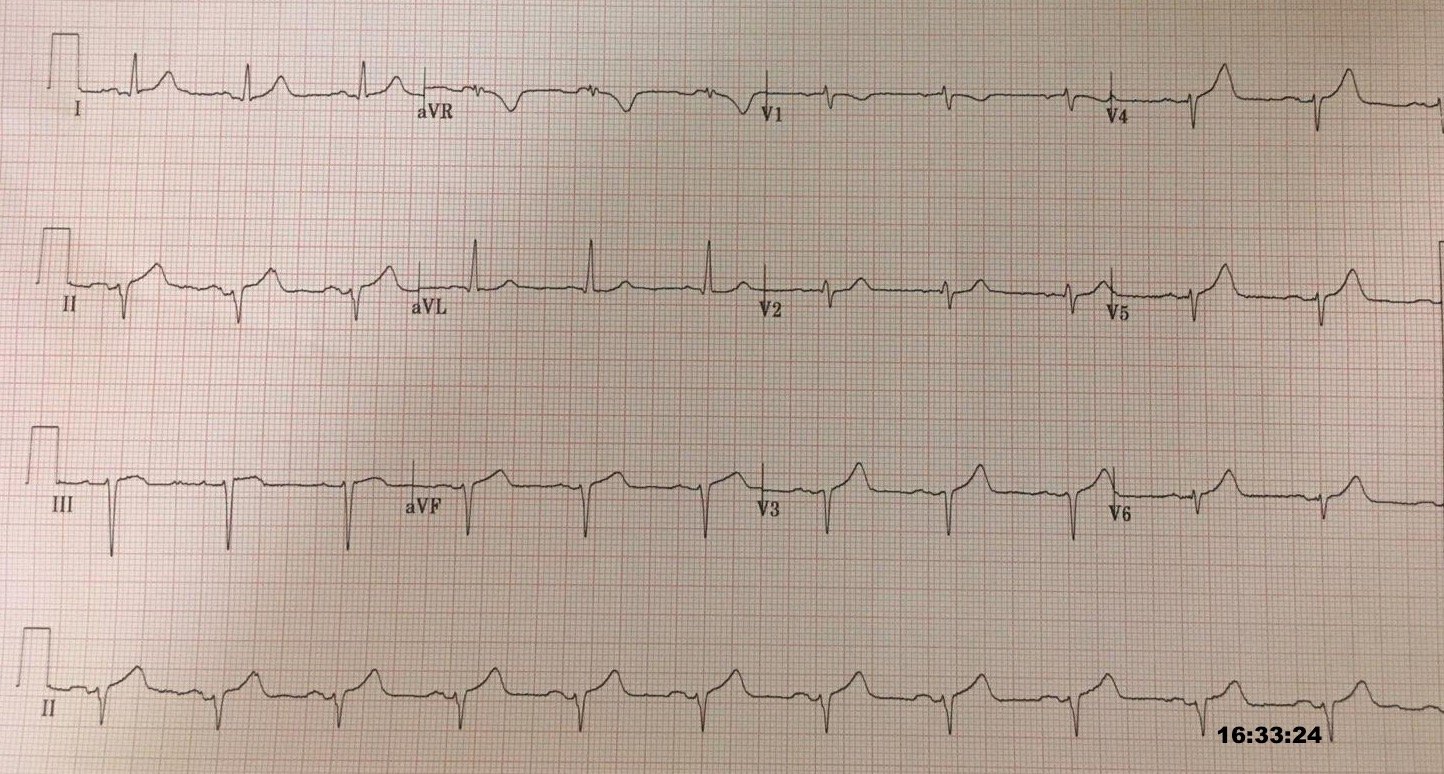
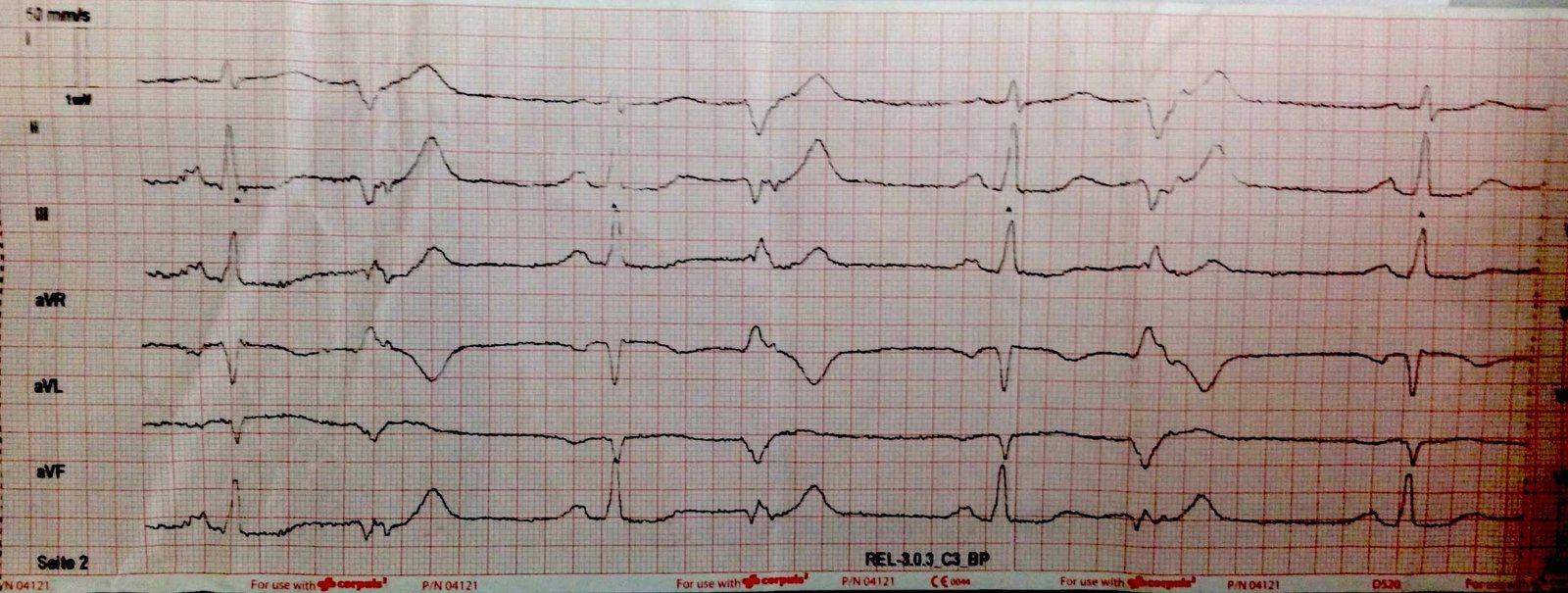
More cases of “non-diagnostic ECGs” which could have been diagnosed as OMI by the Queen of Hearts, some with terrible outcomes. There are literally scores of such cases on this blog.
Learning points:
- It’s not the ECG which is “Non-diagnostic”. It is the physician who is “Non-diagnostic”
- Just because YOU don’t see it, does not mean it is non-diagnostic. It means YOU are non-diagnostic.
- Everyone needs a LOT of humility. Seeing OMI in ECGs can be extremely hard and hardly anyone is truly expert at both recognizing OMI and at identifying the mimics.
- Everyone needs the Queen of Hearts. It is the ECGs that appear normal for which you need the Queen the most, because those are the ones that you are most likely to completely miss.
- Study: cardiologists and EPs both miss a lot of OMI ECGs and also overcall ECGs that are not OMI. In this study, 53 EPs and 45 cardiologists had identical mean accuracy at 65%, while the Queen had 89% accuracy.
- The Queen is the result of years of our (Pendell and mine) passion for the ECG in Acute Coronary Occlusion, in my case for over 35 years.
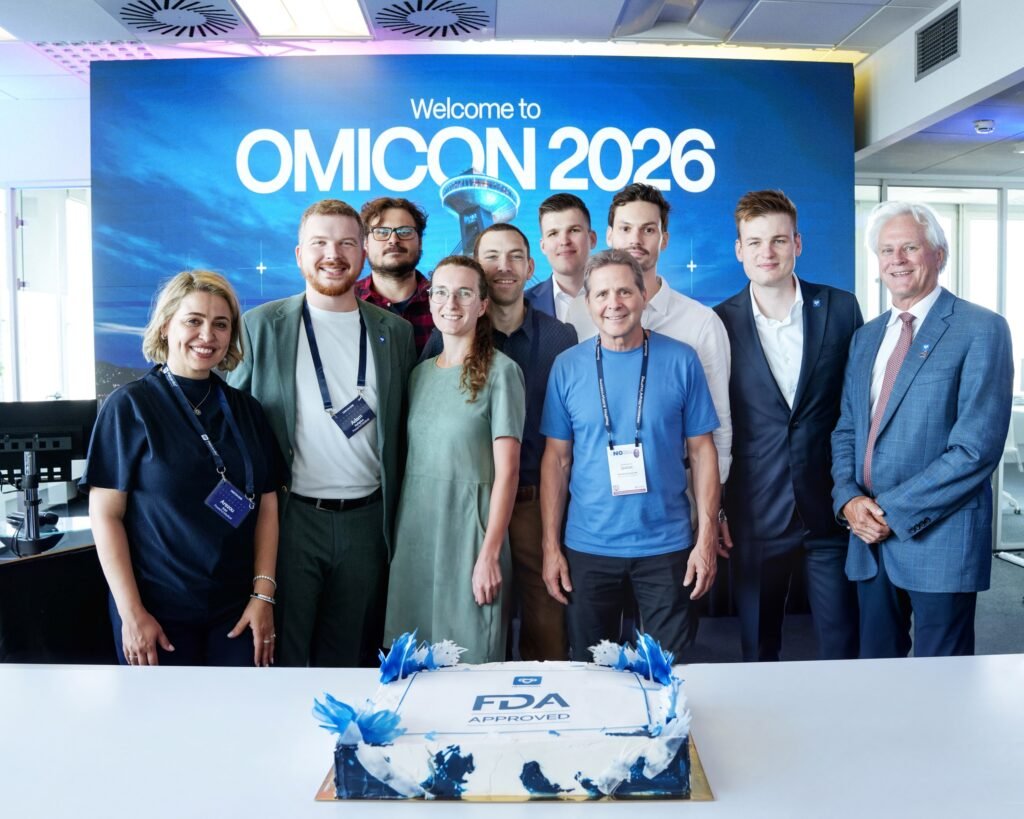
World’s first FDA authorization for an AI ECG solution designed to detect acute heart attacks requiring urgent cardiologist review, enabling scalable deployment across U.S. health systems
New York, United States – September 15, 2026 – Powerful Medical, a leader in AI-driven cardiovascular diagnostics, today announced that the U.S. Food and Drug Administration (FDA) has granted De Novo authorization for Queen of Hearts (ACS AI ECG Model). The AI-powered model is designed to identify ECG findings suggestive of urgent acute coronary syndrome (ACS), which can include ST-segment elevation myocardial infarction (STEMI) and STEMI equivalents, and urgently notify clinicians of suspected cases.
Heart attacks remain a leading cause of death, with patients in the United States affected every 40 seconds. Rapid diagnosis is critical to improving survival. While the electrocardiogram (ECG) is the primary diagnostic tool, standard-of-care interpretation often fails to detect a significant proportion of acute heart attacks, particularly STEMI equivalents, leading to delays in life-saving treatment. Queen of Hearts is already addressing this gap in Europe, where following CE-marking it detected over 120,000 heart attacks in 2025, contributing to reduced treatment times in more than half of these cases.
Following the model’s Breakthrough Device Designation in March 2025 and its inclusion in the FDA’s Total Product Life Cycle Advisory Program (TAP), Powerful Medical has received FDA De Novo authorization, establishing a new device classification for AI ECG models targeting acute, life-threatening cardiovascular diagnoses and underscoring recognition of this technology as a meaningful advance over existing diagnostic tools.
“This milestone reflects our mission to ensure every patient has access to fast, accurate heart attack diagnosis, regardless of where they present,” said Martin Herman, CEO and Co-founder of Powerful Medical. “With FDA De Novo authorization in place, we can scale adoption and bring this technology into routine clinical care across the United States.”
Queen of Hearts is backed by more than 20 peer-reviewed studies, including randomized controlled trials (RCTs) in high-impact cardiovascular journals spanning over 40,000 patients across four continents. Published data demonstrate approximately twofold higher sensitivity compared to standard of care, alongside up to fivefold fewer false positives and faster time to treatment. Queen of Hearts facilitates the early identification of suspected ACS patients who benefit from early cardiology consultation and early cardiac catheterization.
“Many heart attack patients in the United States still miss the window for life-saving treatment due to delays in diagnosis and inefficient triage,” said Robert Herman, MD, PhD, Chief Medical Officer and Co-founder of Powerful Medical. “With FDA approved technology now available, we can bridge this gap by bringing accurate, real-time ECG interpretation to the first medical contact.” adds Felix Bauer, COO and Co-founder.
With FDA De Novo reclassification of Queen of Hearts, Powerful Medical is accelerating U.S. deployment of PMcardio—a comprehensive AI-driven cardiac care coordination platform built for health systems, integrating ECG interpretation across pre-hospital, emergency departments, and cardiology. The PMcardio platform embeds AI ECG Modules such as Queen of Hearts directly into existing clinical workflows, enabling AI-assisted assessment at first patient contact and seamless handoff to cardiology—reducing time to reperfusion, and improving quality and patient outcomes.
U.S. health systems interested in deploying the FDA-authorized Queen of Hearts model can contact the Powerful Medical team to discuss integration and enterprise rollout.
= = =
==================================
MY Comment, by KEN GRAUER, MD (9/16/2026):
Today’s case is replete with important lessons:
- Don’t ignore the history! This 45-year old man presented to an emergency facility for new CP (Chest Pain). As a result, by definition — he deserves at least 2 ECGs and 3 Troponins.
- Troponins provide an imperfect rear-view mirror of current events. We’ve presented many cases of acute OMI in which the 1st high-sensitivity Troponin value was not elevated.
- Today’s case reminds us that on occasion — both the 1st and 2nd Troponin values may not yet be elevated in a patient with an acute OMI.
- Expert ECG interpretation requires attention to the principles of shape and proportionality. Unfortunately — both of these ECG parameters were ignored in today’s case (as I highlight below in Figure-1).
- “Two heads are better than one!” Given the potential downside of overlooking an acute OMI on the patient’s initial ECG — it pays to have a 2nd Opinion from an expert source (ie, Today’s patient developed VFib because his OMI was overlooked without input from an expert source).
- Advantages of using QOH (Queen-Of-Hearts) as your “Go-To” 2nd opinion are:
- i) Ready availability of QOH the moment an ECG is recorded;
- ii) Superior accuracy of QOH for recognizing subtle OMIs (especially in cases where ECG findings are subtle— as highlighted by today’s case).
= = =
Today’s initial ECG:
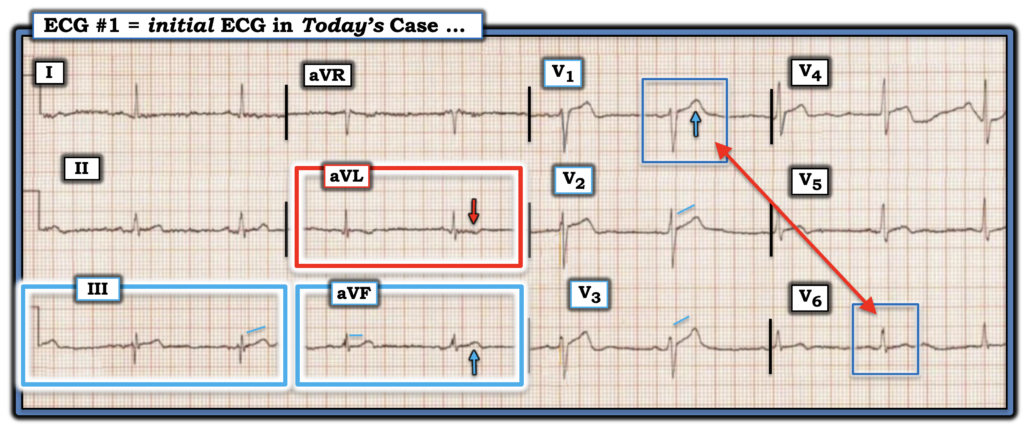
For clarity in Figure-1 — I’ve reproduced and labeled KEY findings in today’s initial ECG:
- My “eye” was immediately captured by the subtle-but-real T wave inversion in lead aVL (within the RED rectangle). In a patient with new CP (Chest Pain) whose initial ECG manifests suspicious ST-T wave changes in one or more of the inferior leads — this unexpected T wave inversion in lead aVL may represent a reciprocal change indicative of an acute OMI.
- A subtle Q wave is also seen in lead aVL — although I was not initially sure whether this was significant.
- After seeing the T wave inversion in lead aVL — my “eye” moved next to the subtle-but-real ST segment straightening in leads III and aVF (within the BLUE rectangles). Slight variation in ST-T wave morphology between between the 2 QRST complexes in each of these leads led me to question which of the beats was real — but both QRST complexes in lead III and in lead aVF looked suspicious (with ST segment straightening and subtle suggestion of a disproportionate T wave considering small size of the R waves in these leads).
- My impression from the limb leads in this patient with new CP — was that this ECG was suspicious but non-diagnostic. And then I saw the chest leads:
- The T wave in lead V1 is definitely not “normal” (ie, clearly too tall and voluminous for the small size of the S wave in this lead).
- Leads V2 and V3 both manifest subtle-but-real ST segment straightening — instead of the gently upsloping slight ST elevation that is normally seen in these 2 leads.
- There is precordial lead T wave “imbalance” (See below).
= = =
Figure-1: I’ve labeled KEY findings in today’s initial ECG.
= = =
Precordial Lead T Wave “Imbalance” …
As per My Comment at the bottom of the page in the June 1, 2022 post — When T waves in each of the chest leads are upright (as they are in ECG #1) — the T wave in lead V1 is usually not taller than the T wave in lead V6. However, the T wave in lead V1 of Figure-1 is clearly much taller than the T wave in lead V6.
- This “imbalance” of precordial T waves is not seen very often — and in the “right” clinical setting, has been associated with recent OMI from a LCx culprit artery (See Manno et al: JACC 1:1213, 1983 — and the July 17, 2013 post by Salim Rezaie in ALiEM).
- To Emphasize: This is not to say that tall, upright T waves in lead V1 might not sometimes be the result of a repolarization variant or a mirror-image reflection of LV “stain” that can sometimes be seen in anterior leads.
- Instead, it is simply to say that on occasion — I have found recognition of a tall, upright T wave in lead V1 that is clearly taller than the T wave in lead V6 to be a tip-off to an acute coronary syndrome that I might not otherwise have recognized (For 2 more examples of this finding — See My Comments at the bottom of the page in the October 23, 2020 post — and in the March 26, 2022 post of Dr. Smith’s Blog).
- As an isolated finding — I probably would not think much of the T wave in lead V1 of ECG #1 (which by itself in an asymptomatic patient, could be a normal variant).
- BUT in the clinical setting of today’s patient, who presents to the ED for new CP with: i) The above-described suspicious findings in 3 of the limb leads; — ii) Subtle-but-real ST segment straightening in leads V2,V3; and, iii) The disproportionately tall T wave in lead V1, in association with precordial lead T wave “imbalance” (T in V1>V6) — I suspected an acute evolving event until proven otherwise.
= = =
KEY Lesson: Even if you were not yet convinced by the history (of acute CP) and the initial ECG about the need for prompt cath — the simple step of repeating the ECG within 10-to-20 minutes would most probably have revealed sufficient “dynamic” change to support the need for prompt cath.
- Recruiting QOH for a 2nd opinion regarding the interpretation of today’s initial ECG could have provided a more immediate answer in support of the need for prompt cath, instead of discharging the patient home (which may have prevented the patient’s cardiac arrest).
= = =
= = =